Delving into the realm of house siding installation cost, this article aims to provide a comprehensive look at the various factors influencing pricing and tips for saving money. From materials to labor breakdowns, we've got you covered.
As we uncover the intricacies of house siding installation costs, you'll gain valuable insights that can help you make informed decisions for your home improvement projects.
Factors Affecting House Siding Installation Cost
When considering the cost of installing siding on your house, there are several key factors that can influence the overall price. Let's delve into the various aspects that can impact the cost of house siding installation.
Types of Siding Materials and Cost Implications
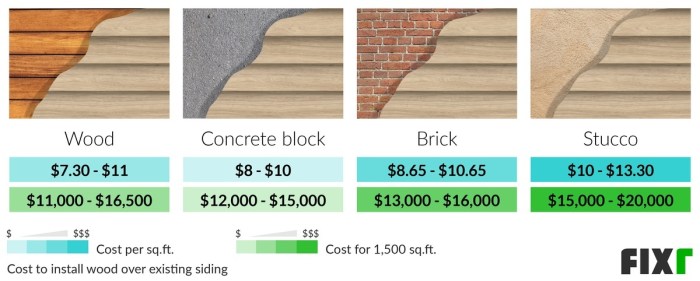
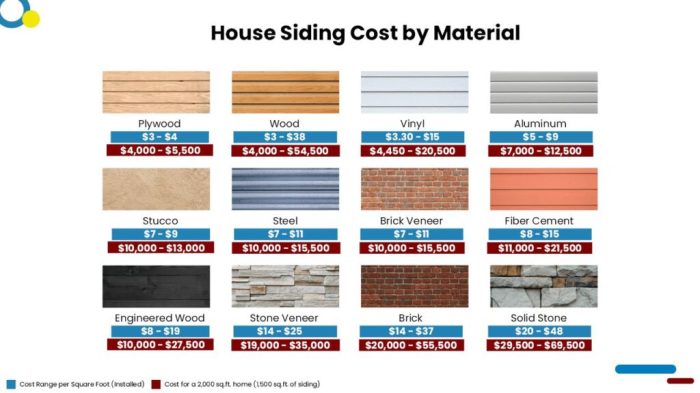
Different types of siding materials come with varying price tags. For example, vinyl siding is generally more affordable compared to fiber cement or wood siding. The choice of material will significantly affect the overall cost of installation.
Size and Layout of the House
The size and layout of your house play a crucial role in determining the cost of siding installation. A larger house will require more materials and labor, leading to higher expenses. Additionally, complex layouts with multiple corners and angles may increase the complexity of the installation process, impacting the overall cost.
Additional Features Influence the Cost
Incorporating additional features such as insulation, trim, and finishes can also influence the total cost of house siding installation. These extra elements not only enhance the aesthetics and functionality of the siding but also add to the overall expenses.
Regional Variations in Labor Costs and Material Prices
Labor costs and material prices can vary significantly based on the region where you are located. Factors such as supply and demand, local regulations, and the availability of skilled labor can all impact the overall cost of house siding installation.
It's essential to consider these regional variations when budgeting for your siding project.
Cost Breakdown of House Siding Installation
When it comes to the cost breakdown of house siding installation, it's essential to understand the different factors that contribute to the overall expenses. The cost breakdown typically involves a combination of materials and labor, varying based on the type of siding material chosen, the complexity of the installation process, and any additional costs that may arise.
Materials vs. Labor Costs
The cost breakdown between materials and labor can vary significantly depending on the type of siding material selected. On average, materials can account for around 60-70% of the total cost, while labor makes up the remaining 30-40%. Keep in mind that these percentages can fluctuate based on the specific project and location.
- Popular Siding Materials:
- Vinyl Siding: Average cost of $3-$7 per square foot
- Fiber Cement Siding: Average cost of $5-$12 per square foot
- Wood Siding: Average cost of $6-$15 per square foot
- Brick Siding: Average cost of $8-$15 per square foot
Complexity of Installation Process
The complexity of the installation process can significantly impact the overall cost of house siding installation. Factors such as the size and shape of the house, accessibility, and any additional features like trim work or insulation can increase the labor costs.
More intricate installations may require more time and expertise, leading to higher expenses.
Additional Costs
In addition to materials and labor, there are other potential costs to consider when budgeting for house siding installation. These may include:
- Permits: Costs associated with obtaining necessary permits for the installation.
- Disposal of Old Siding: Fees for removing and disposing of existing siding materials.
- Repairs: Any repairs or adjustments needed to the underlying structure before installation.
DIY vs. Professional Installation
When it comes to house siding installation, homeowners often face the decision of whether to tackle the project themselves or hire professional contractors. Each option has its own set of advantages and disadvantages, especially when considering the cost implications.
Cost Savings of DIY vs. Hiring Professionals
- DIY: One of the main reasons homeowners opt for a DIY approach is to save money on labor costs. By installing the siding themselves, they can eliminate the expenses associated with hiring professional contractors.
- Professional Installation: While DIY may seem cost-effective initially, hiring professionals can actually save money in the long run. Professional contractors have the expertise to ensure the siding is installed correctly the first time, reducing the likelihood of costly repairs or replacements down the road.
Risks and Challenges of DIY Siding Projects
- DIY: One of the biggest risks of DIY siding installation is improper installation, which can lead to water damage, mold growth, and other structural issues. Additionally, DIY projects may take longer to complete, causing inconvenience and frustration for homeowners.
- Professional Installation: Hiring professional contractors minimizes the risks associated with DIY projects. Professionals have the necessary skills and experience to complete the installation efficiently and effectively, ensuring a high-quality result.
Tips for Homeowners Considering DIY Siding Installation
- Research extensively before starting the project to understand the materials, tools, and techniques required for siding installation.
- Take accurate measurements and plan the installation carefully to avoid mistakes and wastage of materials.
- Consider starting with a small section of siding to test your skills before tackling the entire project.
- Seek advice from professionals or attend workshops to improve your knowledge and skills in siding installation.
Benefits of Hiring Professional Contractors for Siding Installation
- Professional Expertise: Contractors have the expertise and experience to ensure the siding is installed correctly and efficiently.
- Time Savings: Professionals can complete the installation in a fraction of the time it would take for a DIY project, minimizing disruption to the homeowner.
- Quality Assurance: Professional contractors can guarantee a high-quality installation that meets industry standards and regulations.
Tips for Saving on House Siding Installation Costs
When it comes to house siding installation costs, there are several ways to save money without compromising on quality. By following some smart strategies, you can manage your budget effectively and ensure a successful siding project.
Negotiating with Contractors
Before hiring a contractor for your siding installation, it's essential to negotiate the pricing to get the best deal. You can discuss the scope of work, materials, and timeline to see if there are any areas where costs can be reduced.
Contractors are often willing to work with you to find a mutually beneficial solution.
Obtaining Multiple Quotes
It's crucial to obtain multiple quotes from different contractors to compare prices and services. By getting several estimates, you can have a better understanding of the average cost of the project and identify any outliers. This allows you to choose the most cost-effective option without sacrificing quality.
Financing Options
If you're looking to manage the costs of your house siding project effectively, consider exploring financing options. Some contractors offer financing plans or partnerships with financial institutions to help homeowners spread out the expenses over time. This can make the project more affordable and manageable within your budget.
Outcome Summary
In conclusion, understanding the nuances of house siding installation costs is crucial for any homeowner looking to enhance their property. By following the tips and guidelines Artikeld here, you can navigate this process with confidence and financial savvy.
Quick FAQs
How do different siding materials impact installation costs?
The cost of installation can vary based on the type of material used, with some being more expensive than others due to factors like durability and maintenance needs.
What are some ways to negotiate with contractors for better pricing?
You can negotiate pricing by getting multiple quotes, discussing the scope of work in detail, and being open to adjusting certain features to align with your budget.
Is DIY siding installation a cost-effective option?
While DIY installation can save money on labor costs, it may not be suitable for everyone. Consider your skill level and the complexity of the project before deciding.