With air repair at the forefront, this paragraph opens a window to an amazing start and intrigue, inviting readers to embark on a storytelling journey filled with unexpected twists and insights. Air repair is a crucial aspect of maintaining equipment across various industries, ensuring their longevity and optimal performance.
Let's delve into the world of air repair and explore its significance in keeping machinery running smoothly.
Understanding Air Repair
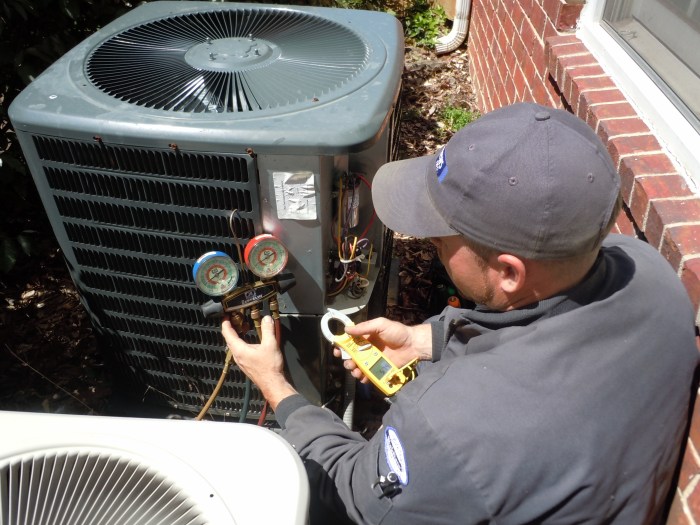
Air repair is the process of fixing or restoring the functionality of air conditioning, heating, ventilation, or refrigeration systems. It is a crucial maintenance task that ensures these systems operate efficiently and effectively. Unlike regular maintenance, which focuses on preventive measures to keep equipment running smoothly, air repair is necessary when a system has malfunctioned or is not performing optimally.
Significance of Air Repair
Air repair plays a vital role in various industries, including residential, commercial, and industrial sectors. It helps maintain a comfortable and safe environment by ensuring proper air circulation and temperature control. Timely air repair can prevent costly breakdowns, improve energy efficiency, and prolong the lifespan of equipment.
Importance of Timely Air Repair
- Prevents further damage: Addressing air conditioning or heating issues promptly can prevent minor problems from escalating into major repairs.
- Improves energy efficiency: Properly functioning HVAC systems consume less energy, leading to lower utility bills and reduced environmental impact.
- Enhances equipment longevity: Regular air repair and maintenance can extend the lifespan of HVAC systems, saving money on premature replacements.
- Ensures occupant comfort: Maintaining a consistent indoor temperature and air quality is essential for the well-being and productivity of occupants.
Common Air Repair Techniques
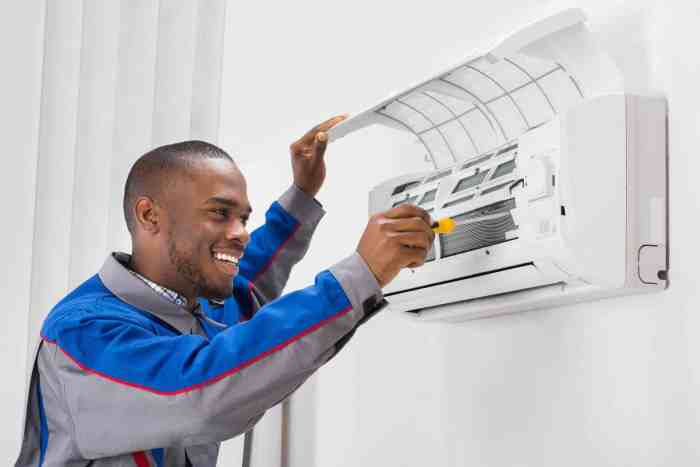
Air repair involves various techniques to address issues in the air system. Here are some common techniques used in air repair:
Air Filter Replacement
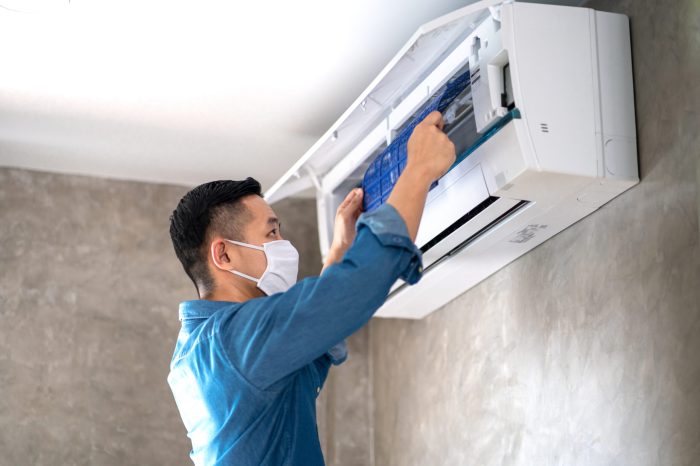
- Regularly replacing the air filter is essential to maintain optimal air quality and prevent system strain.
- Dirty air filters can restrict airflow, leading to inefficiency and potential damage to the system.
Refrigerant Recharge
- If the air conditioning system is not cooling properly, a refrigerant recharge may be necessary.
- Low refrigerant levels can indicate a leak in the system that needs to be addressed during the repair.
Ductwork Inspection and Repair
- Leaky ducts can result in energy loss and reduced system efficiency.
- Inspecting and repairing ductwork can help improve airflow and overall system performance.
Thermostat Calibration
- Calibrating the thermostat ensures accurate temperature readings and efficient operation of the HVAC system.
- Incorrect thermostat settings can lead to uneven heating or cooling in the space.
Electrical Component Replacement
- Faulty electrical components, such as capacitors or contactors, may need to be replaced to restore proper function of the system.
- Regular maintenance can help identify and address electrical issues before they cause system failure.
Compressor Maintenance
- The compressor is a crucial component of the air conditioning system that may require regular maintenance to ensure optimal performance.
- Cleaning and lubricating the compressor can help extend its lifespan and prevent costly repairs.
Leak Detection and Repair
- Identifying and repairing leaks in the air system can help maintain system efficiency and prevent refrigerant loss.
- Leaks can lead to system malfunctions and increased energy consumption.
Tools and Equipment for Air Repair
When it comes to air repair tasks, having the right tools and equipment is crucial for ensuring the job is done efficiently and effectively
Essential Tools for Air Repair
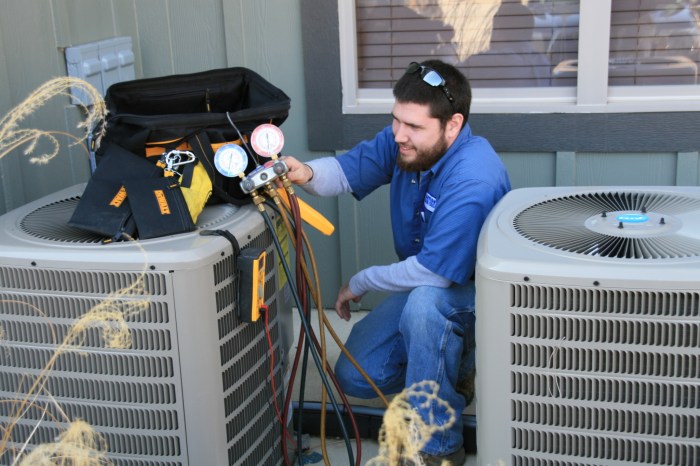
- Pressure Gauges: These tools are used to measure the pressure of the air system, helping technicians identify any irregularities that may be affecting the performance of the system.
- Leak Detectors: Leak detectors are essential for locating and fixing any leaks in the air system, preventing loss of pressure and ensuring optimal performance.
- Refrigerant Scales: Refrigerant scales are used to measure the amount of refrigerant in the system, ensuring proper levels for efficient cooling.
- Manifold Gauge Set: This tool is used to measure both high and low pressure in the air conditioning system, providing valuable data for diagnostics and repairs.
Importance of Using the Right Tools
Using the right tools for air repair tasks is essential for several reasons. Firstly, it ensures that the job is done accurately, reducing the risk of errors and potential damage to the system. Additionally, the use of proper tools can help technicians work more efficiently, saving time and ultimately reducing costs for the customer.
Overall, having the right tools on hand is crucial for delivering high-quality air repair services.
Safety Measures in Air Repair
When performing air repair tasks, it is crucial to prioritize safety to prevent accidents and injuries. Following proper safety protocols, being aware of potential hazards, and using the right protective gear are essential in ensuring a safe working environment.
Potential Hazards in Air Repair
- High pressure in air systems can lead to explosions or equipment failures if not handled properly.
- Exposure to harmful chemicals, fumes, or gases during repair work can pose health risks if not properly ventilated.
- Risk of electric shock when working with air compressors or other electrical components.
- Improper handling of tools and equipment can result in cuts, lacerations, or other injuries.
Importance of Proper Training and Protective Gear
Proper training in air repair techniques is essential to ensure that technicians understand the risks involved and know how to mitigate them. Additionally, wearing the appropriate protective gear, such as gloves, goggles, and ear protection, can help prevent injuries and exposure to hazardous materials.
Environmental Impact of Air Repair
When it comes to air repair practices, there is a significant environmental impact that needs to be considered. From the use of harmful chemicals to energy consumption, air repair can contribute to pollution and resource depletion. It is essential to analyze how these practices affect the environment and explore sustainable approaches to minimize these negative effects.
Impact on Air Quality
Air repair activities often involve the use of paints, solvents, and other chemicals that can release volatile organic compounds (VOCs) into the atmosphere. These VOCs can contribute to air pollution and have harmful effects on human health and the environment.
It is crucial to use low VOC products and proper ventilation systems to reduce emissions during air repair processes.
Energy Consumption
Air repair equipment such as compressors, dryers, and spray booths require a significant amount of energy to operate. This high energy consumption contributes to greenhouse gas emissions and adds to the overall carbon footprint of air repair activities. Implementing energy-efficient practices and using renewable energy sources can help reduce the environmental impact of air repair.
Waste Generation
Air repair can generate a substantial amount of waste, including used filters, paint cans, and other disposable materials. Improper disposal of these waste materials can lead to soil and water contamination. Implementing proper waste management practices, such as recycling and hazardous waste disposal, is crucial to reduce the environmental impact of air repair.
Regulations and Standards
Regulations and standards play a vital role in promoting eco-friendly air repair practices. By enforcing laws that limit the use of harmful chemicals, promote energy efficiency, and require proper waste management, regulatory bodies can help mitigate the environmental impact of air repair.
Adhering to these regulations and standards is essential for creating a more sustainable future for air repair industry.
Closure
In conclusion, air repair plays a vital role in the longevity and efficiency of equipment in different industries. By understanding common techniques, using the right tools, following safety measures, and considering the environmental impact, we can ensure that air repair practices are not only effective but also sustainable.
Embracing proper maintenance and repair strategies is key to the smooth operation of equipment and the reduction of environmental harm.
FAQ Guide
What is the difference between air repair and regular maintenance?
Air repair focuses on fixing specific issues with the air system, while regular maintenance involves routine checks and upkeep to prevent major problems.
What are some common preventive measures to avoid frequent air system repairs?
Regularly changing filters, checking for leaks, and ensuring proper ventilation are key preventive measures to avoid frequent air system repairs.
What are some potential hazards associated with air repair tasks?
Potential hazards include exposure to harmful chemicals, electrical shocks, and injuries from moving parts of equipment.