Diving into the world of commercial HVAC, this introduction sets the stage for a comprehensive look at the ins and outs of heating, ventilation, and air conditioning systems in large buildings. From the intricacies of system components to the importance of energy efficiency, this topic promises to offer valuable insights for businesses and professionals alike.
What is Commercial HVAC?
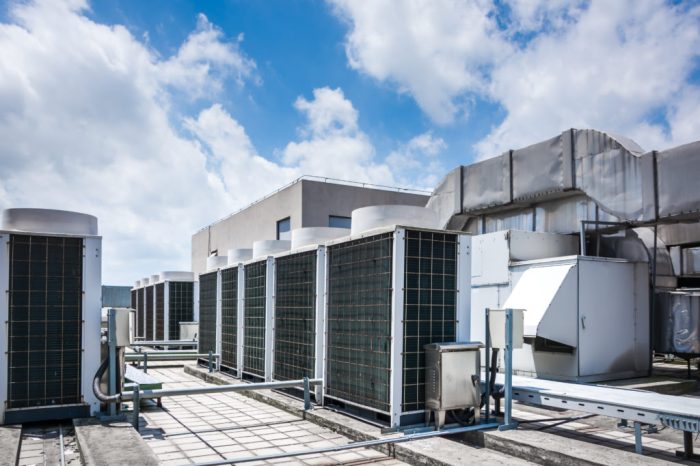
Commercial HVAC refers to Heating, Ventilation, and Air Conditioning systems designed for large buildings such as office complexes, malls, hospitals, hotels, and industrial facilities. These systems are crucial for maintaining a comfortable indoor environment, ensuring proper air quality, and regulating temperatures in commercial spaces.
Importance of Commercial HVAC Systems
Commercial HVAC systems play a vital role in providing a comfortable and healthy indoor environment for occupants of large buildings. They help regulate temperature, control humidity levels, and ensure proper ventilation, which is essential for the well-being and productivity of employees, customers, and visitors.
Components of a Typical Commercial HVAC System
- Air Handling Units (AHUs) - responsible for circulating and filtering air
- Chillers - used for cooling water to provide air conditioning
- Boilers - heat water for heating purposes
- Ductwork - channels that distribute air throughout the building
- Thermostats and Controls - regulate temperature and system operation
- Ventilation Systems - ensure proper air exchange and quality
Types of Commercial HVAC Systems
- Single Split System - suitable for small commercial spaces with one outdoor unit and one indoor unit
- Multi-Split System - connects multiple indoor units to one outdoor unit for larger spaces
- VRF/VRV Systems - Variable Refrigerant Flow/Volume systems for efficient zoned heating and cooling
- Packaged HVAC Units - all components housed in one cabinet for easy installation and maintenance
- Chilled Water Systems - use chilled water to cool spaces through a network of pipes and coils
Design Considerations for Commercial HVAC Systems
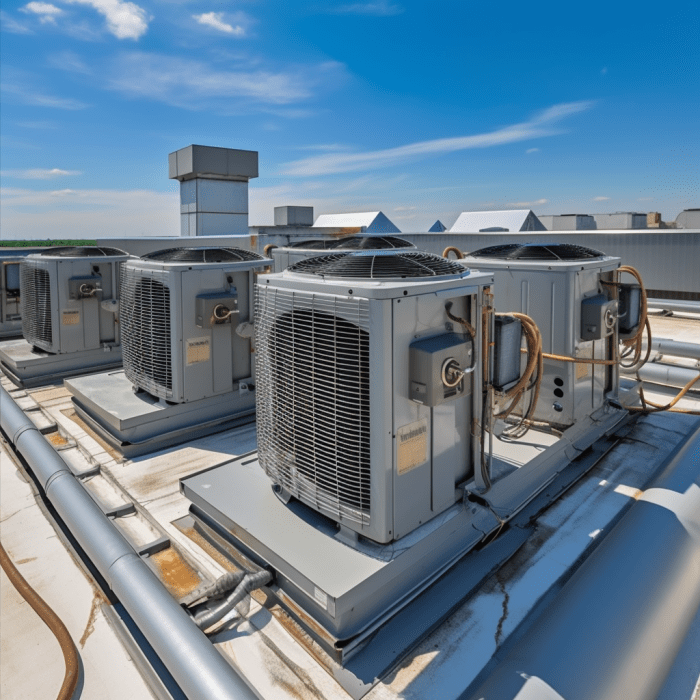
When designing a commercial HVAC system, there are several important factors to consider to ensure optimal performance and efficiency. The size and layout of the building, as well as energy efficiency, play a crucial role in determining the design of the HVAC system.
Innovative design solutions can also be implemented to enhance the overall efficiency and effectiveness of the system.
Building Size and Layout Impact
- Building size: The size of the building directly impacts the capacity and size of the HVAC system needed to adequately heat or cool the space. Larger buildings require larger HVAC systems with higher capacity.
- Building layout: The layout of the building, including the number of floors, rooms, and windows, can affect the distribution of air and the placement of HVAC units. Proper ventilation and airflow must be considered in the design process.
Role of Energy Efficiency
- Energy-efficient equipment: Using energy-efficient HVAC equipment can help reduce energy consumption and operating costs. High-efficiency heating and cooling units, as well as programmable thermostats, can significantly improve energy efficiency.
- Insulation and sealing: Proper insulation and sealing of the building envelope are essential for maintaining a consistent indoor temperature and reducing energy waste. Insulated windows, doors, and walls can help improve energy efficiency.
Innovative Design Solutions
- Variable refrigerant flow (VRF) systems: VRF systems provide precise control over temperature and airflow, allowing for individualized climate control in different zones of the building.
- Energy recovery ventilation (ERV) systems: ERV systems recover and reuse energy from exhaust air to pre-condition incoming fresh air, improving overall energy efficiency.
- Solar HVAC systems: Integrating solar panels with HVAC systems can harness renewable energy sources to power heating, cooling, and ventilation systems, reducing reliance on traditional energy sources.
Installation and Maintenance of Commercial HVAC Systems
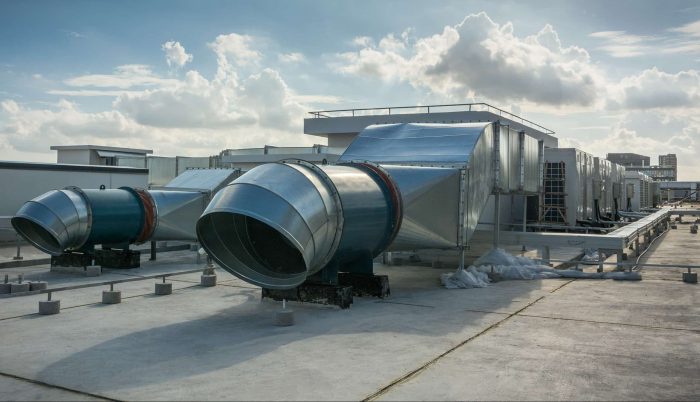
Proper installation and regular maintenance are crucial for the efficient operation of commercial HVAC systems.
Installation Process of Commercial HVAC Systems
During installation, it is essential to consider factors such as the building layout, ductwork design, and equipment placement to ensure optimal performance.
- Proper sizing of the HVAC system based on the square footage of the building.
- Correct installation of ductwork to ensure proper airflow and distribution of conditioned air.
- Placement of equipment in strategic locations to maximize efficiency and minimize energy consumption.
Importance of Regular Maintenance
Regular maintenance helps prevent breakdowns, extends the lifespan of the HVAC system, and ensures efficient operation
- Scheduled inspections and tune-ups to identify and address potential issues before they escalate.
- Cleaning or replacing filters to maintain indoor air quality and prevent strain on the system.
- Checking refrigerant levels and electrical connections to optimize performance and energy efficiency.
Common Issues during Installation and Maintenance
Some common issues that may arise include improper installation leading to airflow problems, refrigerant leaks, or electrical issues.
- Leaks in ductwork causing air loss and reduced efficiency.
- Dirty filters leading to poor indoor air quality and system strain.
- Refrigerant leaks impacting cooling capacity and system performance.
Best Practices for Maintaining Optimal Performance
Implementing best practices can help maintain the optimal performance of commercial HVAC systems and minimize the risk of costly repairs.
- Establishing a regular maintenance schedule with a certified HVAC technician.
- Monitoring energy consumption and system performance to identify any deviations.
- Training building staff on basic maintenance tasks to ensure system longevity.
Energy Efficiency in Commercial HVAC Systems
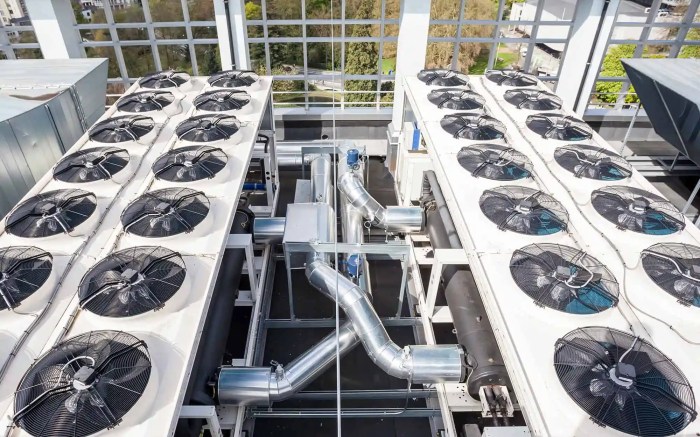
Improving energy efficiency in commercial HVAC systems is crucial for reducing operating costs and minimizing environmental impact. By adopting modern energy-efficient alternatives, businesses can enhance comfort levels while saving money over time.
Strategies for Improving Energy Efficiency
Implementing the following strategies can help businesses optimize energy usage and reduce overall operating costs:
- Upgrade to high-efficiency HVAC equipment that meets Energy Star standards.
- Regularly maintain and clean HVAC systems to ensure optimal performance.
- Utilize programmable thermostats to regulate temperature settings based on occupancy.
- Seal ductwork to prevent air leaks and improve system efficiency.
Comparison of Traditional vs. Modern Energy-Efficient HVAC Systems
Traditional HVAC systems tend to be less energy-efficient compared to modern alternatives due to advancements in technology and design. Modern systems leverage features such as variable-speed compressors, smart controls, and energy recovery ventilation to optimize energy usage.
Impact of Energy-Efficient Practices on Operating Costs
Implementing energy-efficient practices can lead to significant cost savings for businesses in terms of reduced energy consumption and lower maintenance expenses. Over time, the initial investment in upgrading to energy-efficient HVAC systems can result in long-term financial benefits.
Tips for Upgrading to Energy-Efficient HVAC Systems
When considering an upgrade to more energy-efficient HVAC systems, businesses should:
- Conduct an energy audit to identify areas for improvement.
- Consult with HVAC professionals to choose the right equipment for their specific needs.
- Explore available rebates and incentives for energy-efficient upgrades.
- Educate employees on energy-saving practices to maximize efficiency.
Final Thoughts
In conclusion, Commercial HVAC systems play a crucial role in maintaining comfortable and efficient environments in large buildings. By understanding the design considerations, installation processes, and energy efficiency strategies, businesses can make informed decisions to enhance their HVAC systems.
Questions and Answers
What is the role of energy efficiency in commercial HVAC systems?
Energy efficiency is vital in commercial HVAC systems as it helps reduce operating costs and minimize environmental impact by ensuring optimal performance and resource utilization.
What are some common issues that may arise during installation and maintenance of commercial HVAC systems?
Common issues include ductwork leaks, improper airflow, thermostat malfunctions, and refrigerant leaks, which can impact the system's efficiency and performance.
How do modern energy-efficient HVAC systems differ from traditional systems?
Modern energy-efficient HVAC systems utilize advanced technology and design to reduce energy consumption, lower carbon footprint, and provide better control over temperature and air quality compared to traditional systems.